

Hey there! As a supplier of Plastic Milk Powder Caps, I've been getting a lot of questions lately about whether these caps affect the quality of milk powder. So, I thought I'd take a deep dive into this topic and share my insights with you.
First off, let's talk about the primary functions of a milk powder cap. The main job of a Plastic Milk Powder Cap is to keep the milk powder inside the container fresh and protected. It acts as a barrier against external elements like air, moisture, dust, and even bacteria. A good quality cap should create a tight seal, preventing any contaminants from getting in and keeping the milk powder in its best condition.
When it comes to the material of the cap, plastic is a popular choice for several reasons. Plastic is lightweight, durable, and cost - effective. It can be easily molded into different shapes and sizes to fit various milk powder containers. But the quality of the plastic matters a great deal. Low - grade plastics may contain harmful chemicals that could potentially leach into the milk powder over time. For example, some plastics may have traces of bisphenol A (BPA), which has been linked to health issues. As a responsible supplier, we make sure that all our Plastic Milk Powder Caps are made from food - grade plastics that are free from harmful substances.
Let's consider the impact of air and moisture on milk powder quality. Milk powder is hygroscopic, which means it absorbs moisture from the air. If the cap doesn't provide a proper seal, air and moisture can enter the container. Once moisture gets in, the milk powder can clump together, making it difficult to scoop and use. Moreover, the presence of moisture can also promote the growth of bacteria and fungi, which can spoil the milk powder and make it unsafe for consumption. A well - designed Milk Powder Can Lid can prevent this from happening by keeping the air and moisture out.
Another aspect to consider is the tamper - evident feature of the cap. In today's market, consumers are very concerned about product safety. A tamper - evident cap provides an extra layer of security. It shows if the container has been opened before, which gives consumers peace of mind. Our 502 Plastic Lid for Milk Powder comes with a tamper - evident seal that breaks when the cap is first opened. This not only protects the quality of the milk powder but also builds trust with the consumers.
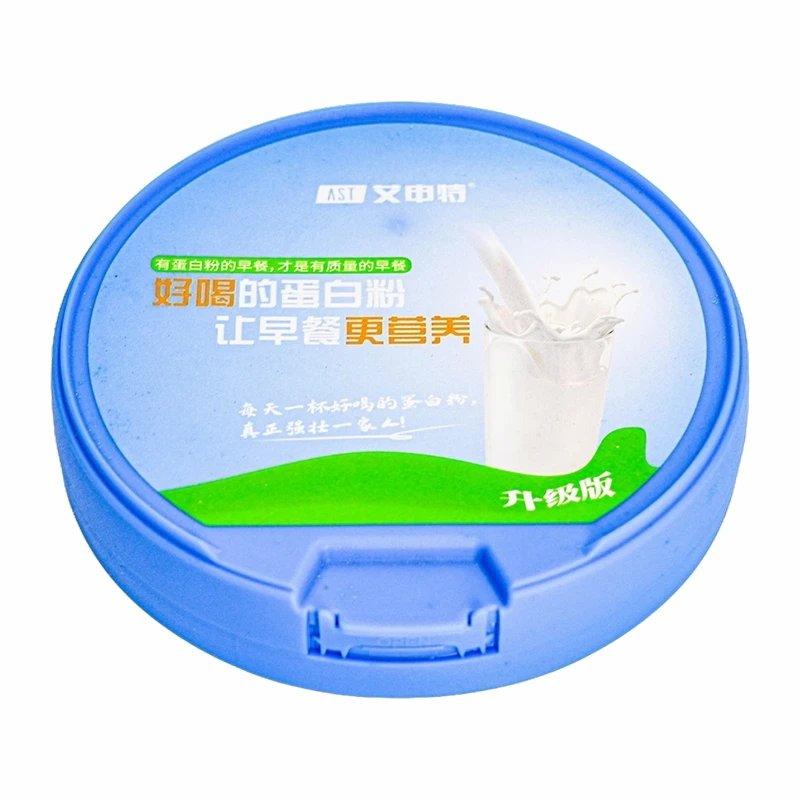

Now, let's talk about the manufacturing process. At our facility, we use advanced manufacturing techniques to ensure that each cap is of the highest quality. We have strict quality control measures in place to check for any defects in the caps. The caps are tested for their sealing ability, strength, and resistance to wear and tear. This way, we can guarantee that our caps will perform well and protect the milk powder effectively.
However, it's not just about the cap itself. The way the cap is used also matters. Consumers should make sure to close the cap tightly after each use. If the cap is left loose, it won't be able to provide a proper seal, and the milk powder's quality can be compromised.
In addition, the storage conditions of the milk powder container also play a role. Even with a great cap, if the container is stored in a hot and humid environment, the milk powder may still be at risk. It's best to store milk powder in a cool, dry place.
So, to answer the question “Do plastic milk powder caps affect the quality of milk powder?”, the answer is yes, they do. A high - quality cap can protect the milk powder from external factors, maintain its freshness, and ensure its safety. On the other hand, a poor - quality cap can lead to issues like spoilage, clumping, and contamination.
If you're in the business of selling milk powder or looking for a reliable supplier of plastic caps, I'd love to talk to you. We have a wide range of Plastic Milk Powder Caps that are designed to meet your specific needs. Whether you need caps for small - sized containers or large ones, we've got you covered. Our caps are not only functional but also aesthetically pleasing, which can enhance the overall look of your product.
Don't hesitate to reach out if you have any questions or if you're interested in a sample. We're here to help you ensure that your milk powder products are of the highest quality and are well - protected.
References:
- Food Packaging Science and Technology, Second Edition, authored by Owen R. Fennema
- Handbook of Food Science, Technology, and Engineering, Volume 2: Food Engineering, edited by Y.H. Hui